
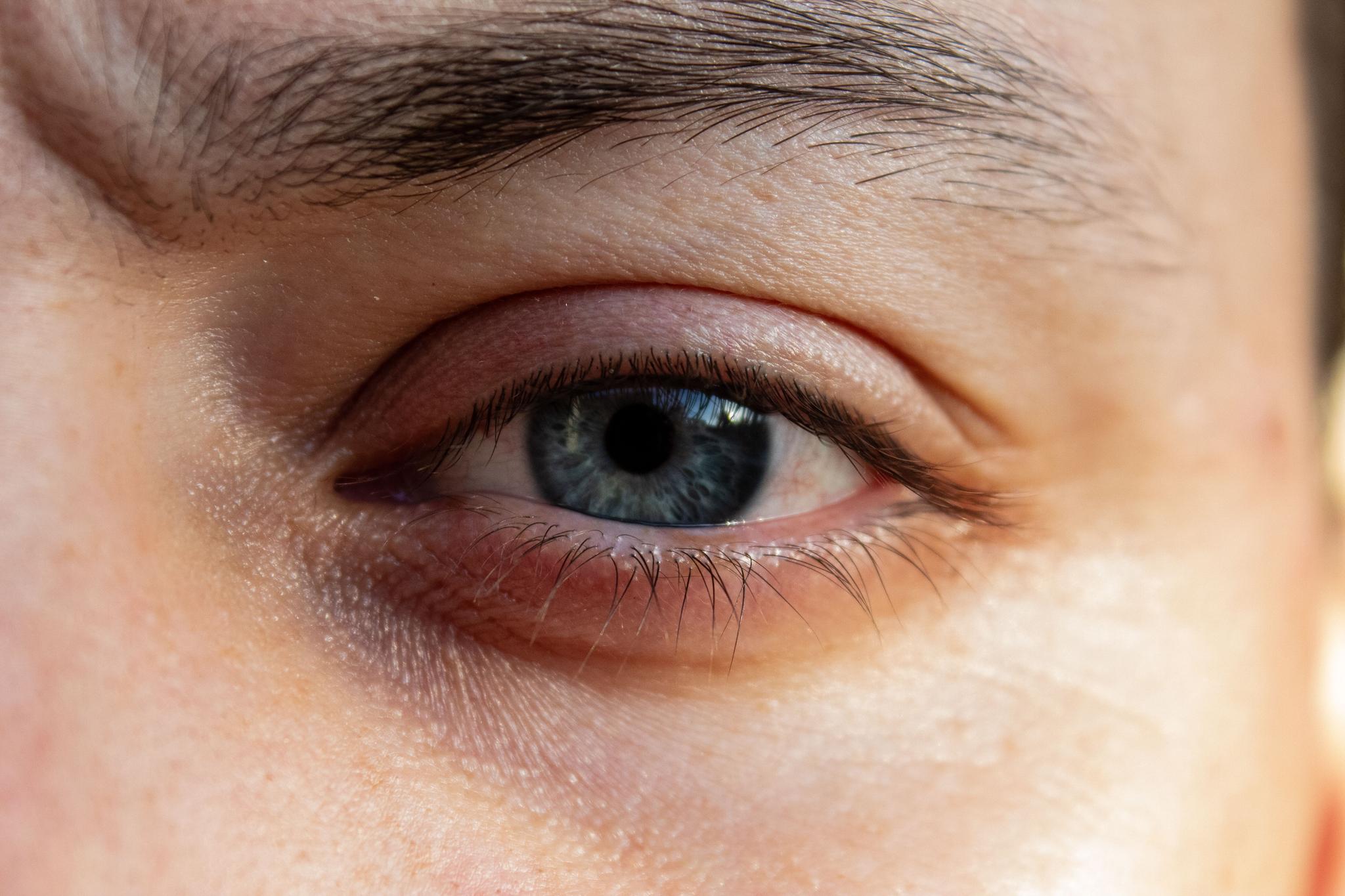
Hooded eyelids are upper lids where loose, redundant skin folds down over the lid crease, sometimes resting on the lashes. In many people this only changes how the eye looks, but hooding can affect vision once the skin hangs low enough to block the upper part of your field of sight, especially when you look ahead or read. A heavy lid can also come from a weak lifting muscle, a separate problem. This article explains that difference, how obstruction is measured, and what surgical correction and recovery involve.
The Difference Between Excess Skin and Muscle Weakness
A heavy upper lid can have more than one origin. According to MedlinePlus, eyelid drooping happens when the edge of the lid sits lower than it should or when extra baggy skin gathers above it. Each problem involves a different tissue, so a correction aimed at one may do little for the other. Clinical records treat them as separate findings as well. The U.S. Centers for Medicare & Medicaid Services asks that documentation address the signs and symptoms linked to ptosis, pseudoptosis, blepharochalasis or dermatochalasis.
Ptosis vs. Dermatochalasis
Ptosis describes a lid margin that rests below its normal position. One frequent cause is weakness of the levator, the muscle that raises the eyelid, as MedlinePlus explains. In this case the skin may be in fair condition, but the muscle cannot lift the lid high enough. Dermatochalasis works differently. The lid may open well, yet loose, redundant skin folds over it and hangs toward the lashes. How much skin accumulates depends on age, skin quality and individual anatomy. Both conditions can appear in the same eye, which is why the cause is identified before any technique, such as eyelid surgery, is considered. Removing skin does not strengthen a weak muscle, and tightening the muscle does not remove a fold of excess tissue.
Physical Signs of Eyelid Strain
Heavy lids often cause discomfort before they cause obvious vision problems. MedlinePlus lists a feeling of tiredness and achiness around the eyes among the symptoms of drooping eyelids. When skin rests on or presses against the lashes, your eyes may feel strained by the end of the day, especially after long periods of reading or screen work. It also notes that most cases come from aging, with no disease involved. Drooping that is new or changes quickly in an adult is different; that pattern calls for an eye specialist. These sensations are subjective, though, and they say little about how much of your sight the lid actually covers.
How Hooding Progresses into Visual Obstruction

Measurable vision loss is the next stage. The CMS blepharoplasty policy links functional complaints to field loss when looking straight ahead or down, as in reading. As skin weighs on the lashes, it trims the top of everyday sight. A typical complaint is "looking through the eyelashes or seeing the upper eyelid skin".
Measuring the Visual Field and Margin Distance
Surgeons document obstruction with two tools. The first is MRD1, the distance between the light reflex on your pupil and the upper lid margin. A 2020 letter in Eye reports that most UK commissioning groups require 1.0 mm or less to justify surgery, often with field reduction to 120° laterally and 40° vertically. The second is visual field testing, recorded with a tangent screen, a Goldmann perimeter or an automated perimeter. CMS requires at least a 12 degree or 30 percent loss, tested with the lid relaxed and taped up, plus photographs of the abnormality.
Self-Assessment Techniques for Home Use
A mirror gives a rough idea. Relax your forehead, look straight ahead and check:
- Whether skin touches or covers your lashes.
- Whether you can still see the lid crease.
- Whether lifting the skin gently with a fingertip opens your upper view.
- Front photos in daylight, taken months apart, show change. These checks only orient you; they cannot replace measured fields.
Distinguishing Lid Hooding from Brow Descent
Sometimes the excess skin comes from a low brow that pushes tissue down onto the lid. Lift your brow with a finger; if that clears the fold, the brow may be a main contributor. Removing eyelid skin alone may then leave part of the obstruction, so a brow lift or combined approach is sometimes discussed.
Corrective Surgery and Recovery in Tropical Climates
When measurements confirm that the lid narrows your sight, upper blepharoplasty becomes one possible correction. In this surgery, the surgeon removes excess eyelid skin, sometimes with a thin strip of muscle or fat. MedlinePlus notes that in most cases, surgery is very successful in restoring appearance and function. How much you gain still depends on the cause found during evaluation, your skin quality, your age and the technique chosen. For a wider view of what eyelid surgery can and cannot correct, it helps to compare upper and lower procedures.
Functional Benefits Beyond Vision
A systematic review of 28 studies reported enlarged visual fields, fewer headaches and better vision related quality of life after upper blepharoplasty. Less frontal strain may play a part, since you no longer need to raise your brows to see. The same review found that eyelid sensitivity decreased, and recovery of that sensation differed between patients. Dry eye is a more nuanced topic. MedlinePlus describes increased tearing despite a feeling of dry eyes in people with drooping lids. Removing extra skin and fat may ease these symptoms for many people. However, the review lists eye dryness among outcomes with conflicting results, so improvement is possible but uncertain.
Managing Scar Care and Sun Exposure
The published research offers no protocol specific to hot, humid climates, so these points apply general healing principles to local conditions:
- Sun: Stay in the shade during midday hours. Wear a broad hat and wraparound sunglasses. Apply sunscreen to the incision only after your surgeon confirms it has closed.
- Sweat and humidity: Pat moisture away with clean gauze and keep your hands off the lids. A cool, ventilated room can make the first days more comfortable.
- Exercise: Heat and effort increase sweating and can worsen swelling. Wait for clearance before returning to the gym or outdoor sports.
- Screens: Long sessions can make eyes feel drier, so take frequent breaks and use only the drops you were prescribed.
Scars usually mature gradually, and their final appearance varies with skin type and sun habits.
Taking the Next Step for Your Visual Health
Hooded eyelids are common with age, yet the fold can come from loose skin, a weak lifting muscle, or both, and that origin shapes every option. A qualified plastic surgeon needs to examine you, measure MRD1 and review visual field testing before deciding whether surgery fits your case. Going forward, a symptom log and a written question to your insurer can help you reach that professional evaluation better prepared.