
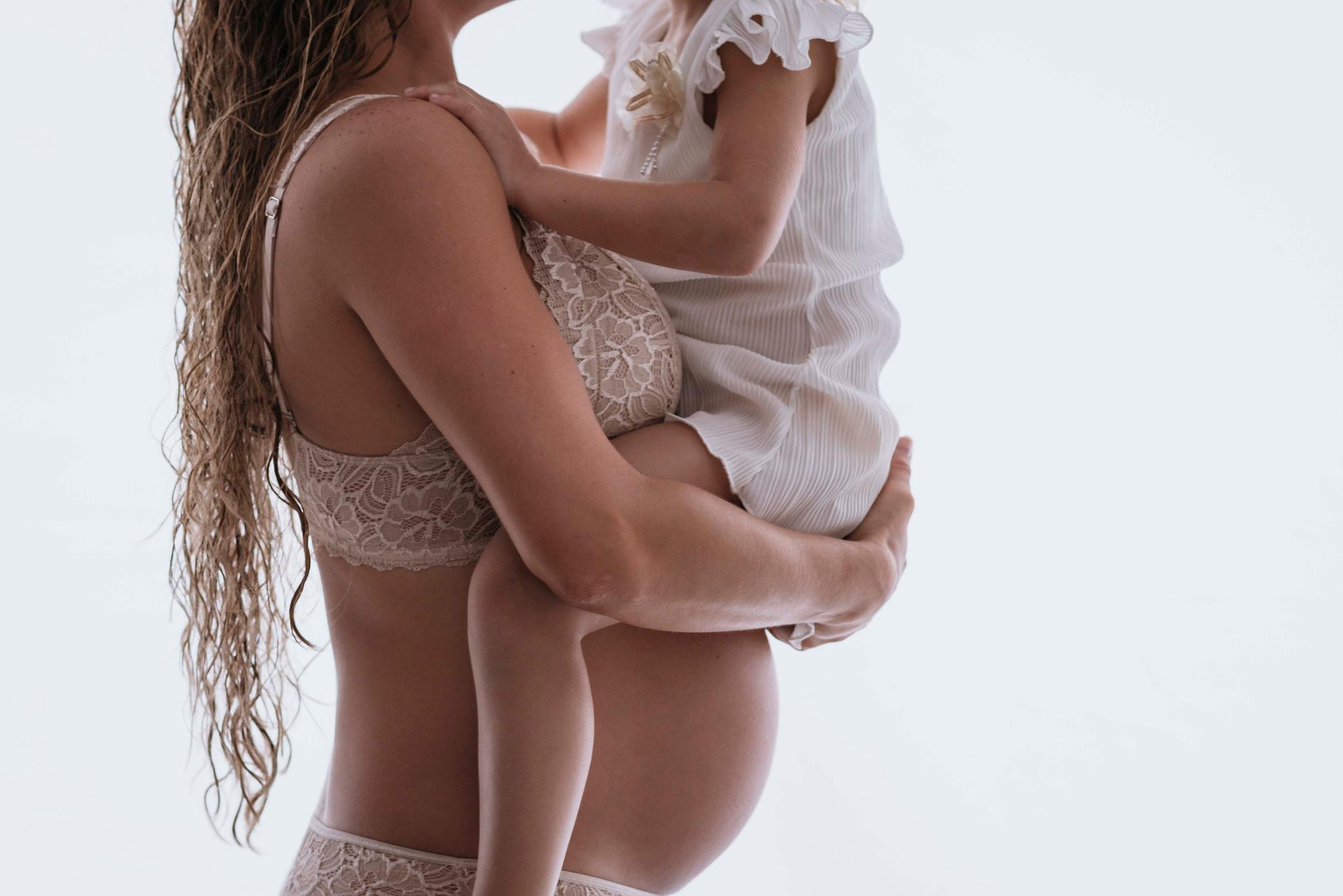
A mommy makeover combines several surgical procedures, tailored to each woman's needs, to address changes in the breasts and abdomen following pregnancy and breastfeeding. It typically includes a breast procedure, such as a lift or augmentation, alongside liposuction or a tummy tuck. Whether it's the right option for you depends on your anatomy, overall health, and plans for future pregnancies. The following sections explain the health requirements, recovery process, and potential risks to consider before surgery.
What Is a Mommy Makeover and How Is It Planned?

A mommy makeover is not a single standard operation. It combines two or more procedures selected according to each woman's anatomy, concerns, and goals. The surgical plan is developed during the consultation, taking into account which areas have changed after pregnancy and breastfeeding and what each procedure can realistically achieve.
Choosing the Right Combination of Procedures
The procedures included in a mommy makeover generally focus on the breasts and abdomen, although additional areas can also be addressed.
Breast Procedures
Pregnancy and breastfeeding can change breast volume, skin elasticity, and nipple position. Depending on these changes, a woman may benefit from a breast lift, augmentation, or a combination of both. A lift addresses sagging by removing excess skin and repositioning the nipple, while augmentation restores volume using implants. You can learn more about the different breast procedures and how they address these concerns.
Abdominal Procedures
The abdomen may also retain changes after pregnancy, including localized fat deposits, loose skin, and separated abdominal muscles. Liposuction can remove stubborn fat and improve body contours, while a tummy tuck removes excess skin and can tighten the abdominal muscles when they have separated, a condition known as diastasis recti.
Additional Procedures
Some women may also consider procedures targeting other areas affected by pregnancy and childbirth. For example, labiaplasty can address excess or stretched labial tissue that causes discomfort, chafing, or irritation. It may be included in a mommy makeover when appropriate, depending on the patient's concerns and surgical plan.
Essential Health Requirements and Timing for Surgery

Before undergoing a mommy makeover, your overall health and stage of recovery after pregnancy need to be considered. Combining several procedures places greater demands on the body, so factors such as weight stability, whether you've finished breastfeeding, and plans for future pregnancies can influence when surgery should take place.
Health Clearances and Pre-Surgical Evaluations
Before surgery, your surgeon and anesthesia team review your medical history and overall health to make sure you can safely undergo the planned procedures. Depending on your health and the extent of the operation, you may need specific blood tests or other medical checks to assess your fitness for anesthesia. Existing conditions also need attention. Cleveland Clinic highlights diabetes and heart disease as conditions that should be discussed with your doctor, as they can increase the risks of cosmetic surgery.
Your evaluation will also include a review of your risk of blood clots, along with any medications, vitamins, and supplements you take. Some may increase bleeding risks or need to be adjusted before surgery, so always discuss them with your surgeon rather than stopping anything on your own.
Timing Surgery After Pregnancy and Breastfeeding
Your body needs time to recover after childbirth before undergoing elective surgery. Many plastic surgeons recommend waiting at least six months after giving birth before considering a mommy makeover. This allows the abdominal tissues to heal and gives your weight and hormone levels time to become more stable. However, the timing can vary depending on your recovery and the procedures involved. The American Society of Plastic Surgeons notes that women who are breastfeeding may need to wait longer.
If your mommy makeover includes breast surgery, such as an augmentation or lift, you should also allow time for your breasts to settle after you stop breastfeeding. Breast volume and shape can continue changing for several months after weaning, so operating too early may make it harder to plan the desired result. Some surgeons recommend waiting at least three to six months after breastfeeding ends before considering breast surgery. Your surgeon can assess when your breast tissue has stabilized and help determine the right time for the procedure.
Candidacy and Weight Stability Requirements
Your weight is another important factor when planning a mommy makeover. Ideally, you should be close to your target weight and have maintained it for several months before surgery. It's important to understand that a mommy makeover is designed to improve body contours, not to help you lose weight.
Procedures such as liposuction and a tummy tuck address stubborn fat deposits and excess skin rather than significant weight gain. Significant weight changes after surgery can also affect the results, particularly around the breasts and abdomen. The American Society of Plastic Surgeons explains that maintaining a stable weight helps preserve the results over time.
Future pregnancy plans also matter. As Cleveland Clinic explains, another pregnancy can affect the results of previous surgery. The growing abdomen can stretch the skin and abdominal muscles again, while hormonal changes can alter breast size and shape. For this reason, surgeons generally recommend waiting until you have finished having children before undergoing a mommy makeover, particularly if the procedure includes a tummy tuck.
Recovery and What to Expect After Surgery

Recovery after a mommy makeover happens gradually. While you may be able to return to some everyday activities within a few weeks, your body will need several months for swelling to subside and the tissues to heal fully. According to the American Society of Plastic Surgeons, final results can take six months to a year to become visible. How quickly you recover depends on the procedures performed, your individual healing process, and how closely you follow your surgeon's post-operative instructions.
The Typical Recovery and Activity Restrictions
Recovery after a mommy makeover varies considerably depending on the procedures included. Someone undergoing breast surgery and liposuction may recover differently from someone who also has a tummy tuck with abdominal muscle repair. According to The Aesthetic Society, combining procedures can make recovery more demanding, so it is important to plan for enough time to rest and get help at home.
Although your surgeon will provide instructions based on your specific operation, the following are common recovery recommendations:
- Help at home: Arrange for another adult to assist with household tasks and childcare, particularly during the first two weeks.
- Light walking: Short, gentle walks are generally encouraged soon after surgery to promote circulation and reduce the risk of blood clots.
- Lifting restrictions: Avoid heavy lifting, including picking up young children, for approximately 4 to 6 weeks, or until your surgeon clears you.
- Strenuous activity: Exercise and physically demanding activities are usually restricted for around 6 weeks, with a gradual return as healing progresses.
- Returning to work: Many patients need approximately two weeks away from work, although this depends on the procedures performed and how physically demanding their job is.
These timeframes are general guidelines rather than fixed deadlines. Your surgeon will determine when you can safely resume each activity based on your recovery and the procedures you have undergone.
Surgical Risks and How They Are Managed

Each procedure included in a mommy makeover carries potential complications. According to the American Society of Plastic Surgeons, these may include infection, bleeding, poor wound healing, permanent scarring, complications related to anesthesia, blood clots, and results that may not meet your expectations.
Understanding the Risks of Combined Procedures
Combining breast surgery with a tummy tuck requires careful consideration of risks affecting the body as a whole. A review of combined breast surgery and abdominoplasty found little direct adverse effect between the two procedures. However, longer operating times raise concerns about systemic complications, particularly venous thromboembolism (VTE), which includes blood clots in the legs (DVT) and clots that travel to the lungs (PE).
Preventing Blood Clots and Considering Staged Surgery
To reduce the risk of blood clots, your surgical team will assess your individual risk factors and may recommend preventive measures such as compression devices, early walking after surgery, or blood-thinning medication when appropriate.
If the combined operation is expected to take too long, or your medical history indicates a higher risk, your surgeon may recommend dividing the procedures into two separate operations. For example, breast surgery could be performed first, followed by abdominal surgery at a later date. This approach involves two separate recovery periods, but allows each operation to be shorter, reducing the demands of a single, longer procedure.
Taking the Next Step Toward Your Mommy Makeover
A mommy makeover combines procedures selected according to your anatomy, skin quality, and personal goals. Your results and recovery will depend on several factors, including your health, the timing of surgery, and how closely you follow post-operative instructions. A consultation with a qualified plastic surgeon is an important step in understanding your options and setting realistic expectations.
Every patient has different needs, so feel free to schedule a preliminary consultation with me through my digital channels. We can discuss your goals, explore which procedures may be right for you, and go over the expected recovery and potential risks. This will help you decide on the next steps with a clearer understanding of your options.