
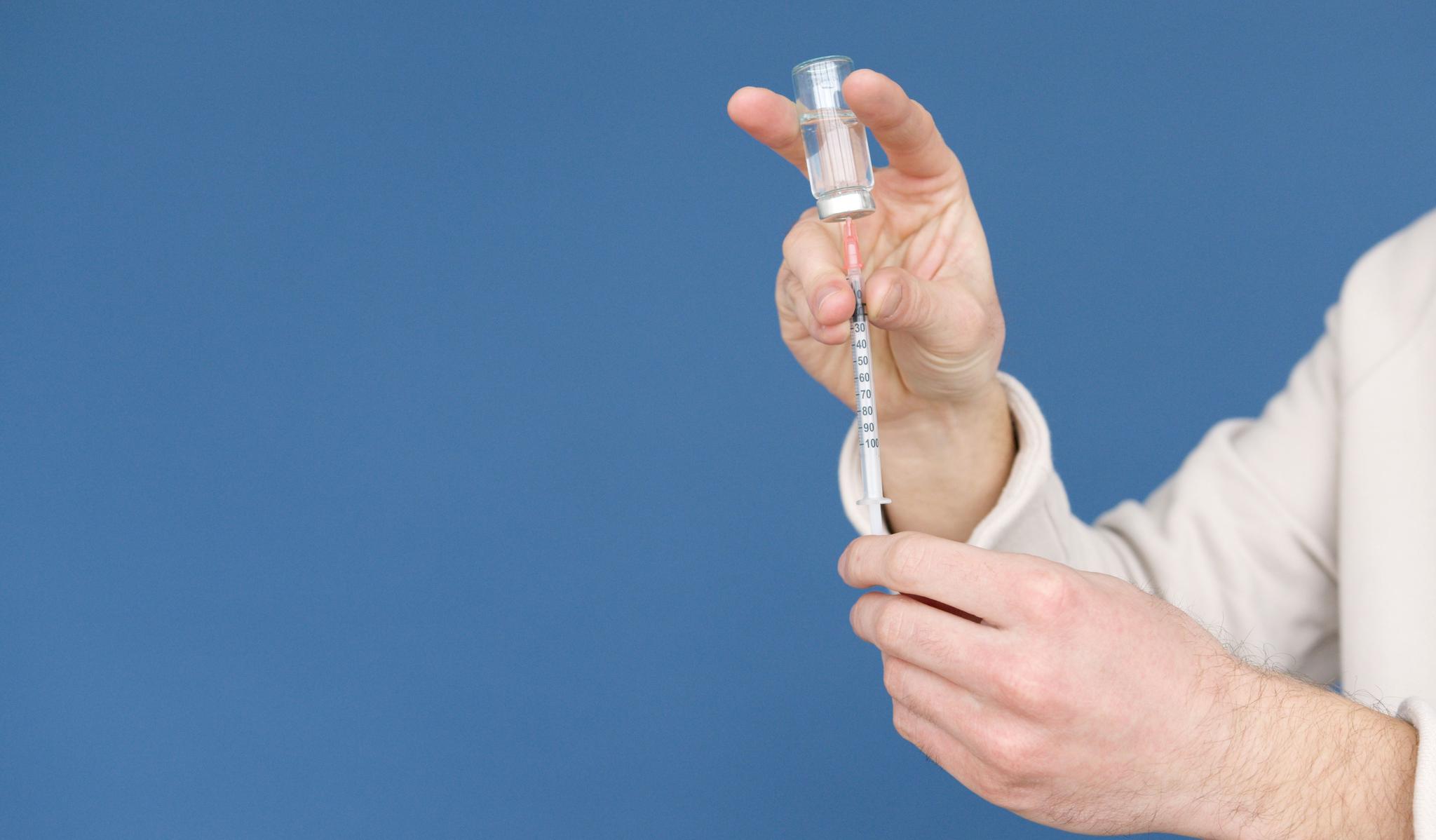
Botulinum toxin is a protein produced by bacteria that blocks the signals nerves send to muscles, temporarily preventing them from contracting. It is classified into seven types, labeled A through G, based on their distinct properties. Types A and B are the main forms used in medical treatments, while the others are primarily associated with illness in humans and animals. In this article, you'll learn how botulinum toxin works, its medical and cosmetic uses, potential risks, and how botulism can be prevented.
How Botulinum Toxin Works

Botulinum toxin is one of the most potent toxins known. It works by interfering with the signals nerves send to muscles, preventing them from contracting. To do this, the toxin enters the nerve endings responsible for controlling muscle movement. Once inside, it blocks the release of acetylcholine, a chemical messenger that nerves use to tell muscles when to contract.
Without this chemical signal, the targeted muscles cannot contract as usual and temporarily relax. This is the same mechanism behind both the medical uses of botulinum toxin, including Botox injections, and the muscle weakness associated with botulism. The main difference lies in the dose, the amount of toxin, and how it enters the body. Understanding this botulinum toxin process helps clarify why its effects are so localized and temporary when used in controlled medical applications.
1. How the Toxin Blocks Nerve Signals
Botulinum toxin causes a type of muscle weakness known as flaccid paralysis. This happens because it prevents nerves from releasing acetylcholine, the chemical messenger that tells muscles to contract. The toxin attaches to nerve endings and enters the cells, where it interferes with the proteins needed to release this messenger. Without acetylcholine, the signal cannot reach the muscle, so it temporarily stops contracting. The effect lasts until the nerve endings recover and normal communication is restored, a process that can take several weeks or months.
2. How Protective Proteins Help the Toxin Survive
Botulinum toxin can also be found surrounded by other proteins that help protect it when it enters the body through contaminated food. These proteins form a protective complex that helps the toxin survive stomach acid and digestive enzymes, allowing it to survive the digestive process and be absorbed through the intestine. This is particularly important in cases of botulism caused by contaminated food, as the protective proteins help the toxin remain active long enough to enter the body and cause illness.
The Seven Types of Botulinum Toxin

Scientists have identified seven main types of botulinum toxin, labeled A through G. These are called serotypes, meaning they are different forms of the toxin that the immune system can distinguish from one another. Each type is associated with different sources and patterns of illness.
- Type A: One of the most common causes of human botulism. It is widely found in the environment, including soil.
- Type B: Another common cause of human botulism, also found in soil.
- Type C: Mainly causes botulism in birds.
- Type D: Mainly affects animals, particularly cattle.
- Type E: Can cause human botulism and is often associated with fish, seafood, and aquatic environments.
- Type F: A rare cause of human botulism.
- Type G: First identified in 1970, although it has not been established as a cause of human botulism or developed for medical use.
Although all seven types belong to the same toxin family, they do not affect humans and animals in the same way. Most human cases of botulism are linked to types A, B, and E, while types C and D are more commonly associated with outbreaks in animals. These differences help scientists understand how botulism spreads and which toxin types need to be considered when diagnosing and treating the disease.
Medical and Cosmetic Uses of Botulinum Toxin

Botulinum toxin has several medical applications, but it is best known for its use in cosmetic treatments. Of its seven types, A and B are used in approved medical products, although type A is the one most commonly used to reduce facial wrinkles and fine lines. Type B also has therapeutic applications, particularly in treating certain muscle disorders. The products available, their dosages, and their approved uses vary. Understanding these differences helps explain how botulinum toxin is used in both medicine and aesthetic treatments.
Commercial Brands and Dosage Differences
Several botulinum toxin products are approved for medical and cosmetic use in the United States. Most contain type A, including Botox, Dysport, Xeomin, Jeuveau, Daxxify, and Letybo. Myobloc (rimabotulinumtoxinB) is a type B product approved for certain medical conditions.
Although these products work in a similar way, they are made using different formulations and testing methods. Their dosage units are specific to each product, so they cannot be directly compared or converted. For example, 10 units of Botox do not have the same meaning as 10 units of Dysport or Xeomin. This is why a dose prescribed for one brand cannot simply be used with another. The appropriate amount depends on the product, the condition being treated, and the individual patient.
Therapeutic and Aesthetic Applications
Botulinum toxin is used to treat several medical conditions involving muscle activity or nerve signals. Depending on the product, approved uses include muscle spasticity, dystonia (involuntary muscle contractions), eyelid spasms, certain eye movement disorders, chronic migraine, overactive bladder, and excessive sweating.
Type B products also have specific uses, including the treatment of cervical dystonia (involuntary neck muscle contractions and abnormal head positions) and chronic excessive saliva production. The approved conditions and treatment guidelines vary between products.
In cosmetic treatments, type A is used to temporarily reduce the appearance of wrinkles caused by repeated muscle movements. In the United States, Botox Cosmetic is FDA-approved for moderate to severe frown lines between the eyebrows, crow's feet, forehead lines, and vertical neck bands.
Other type A products also have approved cosmetic uses, although their indications differ. Treatments work by temporarily relaxing the targeted muscles, so the results gradually wear off. Botulinum toxin injections can soften certain lines, but they do not provide the same results as surgical procedures such as a facelift.
Cosmetic Treatments and Patient Safety
Botulinum toxin injections are medical procedures and should be performed by qualified healthcare professionals with a good understanding of facial anatomy and muscle function. Incorrect injection placement or technique can cause unwanted effects, such as drooping eyelids or eyebrows and changes in facial movement. According to the American Society of Plastic Surgeons, the effects usually last several months. With Botox Cosmetic, results typically last around three to four months, although this varies between individuals.
It is also important to understand that not every use of botulinum toxin is officially approved. Treatments performed outside the approved indications are known as off-label uses. These may be considered by qualified physicians based on available evidence and individual patient needs.
Botulism Prevention and Recovery Times

Foodborne botulism can develop when bacterial spores survive inadequate food processing and later grow in food stored under conditions with little or no oxygen, producing a dangerous toxin. Heat affects the spores and the toxin differently: the spores are highly resistant to heat, while the toxin can be destroyed by boiling.
This difference is important when preparing and preserving food at home. If someone develops botulism, recovery of muscle function can take weeks or months, even after treatment. The time needed to recover varies depending on the severity of the illness and the extent of the nerve damage.
Why Pressure Canning Is Important
Botulinum spores are the dormant, highly resistant form of the bacterium. They can survive ordinary cooking and boiling, which makes them particularly important when preserving food at home. Destroying these spores requires temperatures higher than boiling water can reach. For this reason, low-acid foods such as vegetables, meat, and fish must be processed in a pressure canner, following tested canning recipes and instructions. The required processing time and pressure depend on the food, jar size, equipment, and altitude.
Boiling affects the toxin differently. Although it does not destroy the spores, sufficient heat can inactivate toxin that has already formed in food. The CDC recommends boiling certain home-canned foods for 10 minutes before eating at elevations below 1,000 feet, adding one minute for every additional 1,000 feet. However, this advice should not be used to make improperly canned or potentially contaminated food safe. If you are unsure whether food was preserved correctly, discard it without tasting it.
The key differences are:
- Pressure canning: Uses temperatures above 212**°**F (100°C) to destroy heat-resistant spores in low-acid foods. Always follow a tested recipe for the correct processing time and pressure.
- Boiling: Can inactivate botulinum toxin already present in food, but does not reliably destroy the spores.
- Safe storage: Surviving spores can grow and produce more toxin if conditions allow, particularly in moist, low-acid foods stored without oxygen.
How Recovery Times Differ by Botulinum Toxin Type
Recovery from botulism can be slow because the toxin causes lasting changes at the nerve endings that control muscle movement. Normal communication between nerves and muscles returns as the body gradually restores these connections, a process that can take weeks to months.
Antitoxin should be given as early as possible because it neutralizes toxins still circulating in the body and helps prevent further paralysis. However, it cannot reverse paralysis that has already developed. Recovery therefore also depends on supportive care, which may include mechanical ventilation if the muscles used for breathing are affected.
The serotype also influences how long the toxin affects nerve function. A review published in Pharmacological Reviews describes differences in the duration of action between the main types that cause human botulism:
- Type A: Has the longest-lasting effects, which can persist for several months.
- Type B: Generally has a shorter duration of action than type A, although its effects can still last for months.
- Type E: Has a particularly short duration of action compared with types A and B, often lasting a few weeks.
These are general differences in the duration of toxin activity, not fixed recovery times for individual patients. The severity of the illness, the amount of toxin involved, and the medical care received also influence recovery.
Understanding Botulinum Toxin and Its Safe Use
Botulinum toxin types A and B are used in approved medical treatments. Both work by blocking the release of acetylcholine, the chemical messenger that allows nerves to communicate with muscles. However, they differ in their duration of action, clinical applications, and product formulations. Understanding these differences helps explain how botulinum toxin works, why its effects vary, and why careful handling is important when preserving food at home.
If you are considering a cosmetic injection, understanding the approved uses, expected results, and potential risks can help you make a more informed decision. During a consultation, I can assess your facial anatomy, discuss how long the effects may last, and help determine whether botulinum toxin treatment is appropriate for you. You can contact me through my digital channels to request an initial assessment. I will be happy to answer your questions and discuss your options.